 Nathan Field
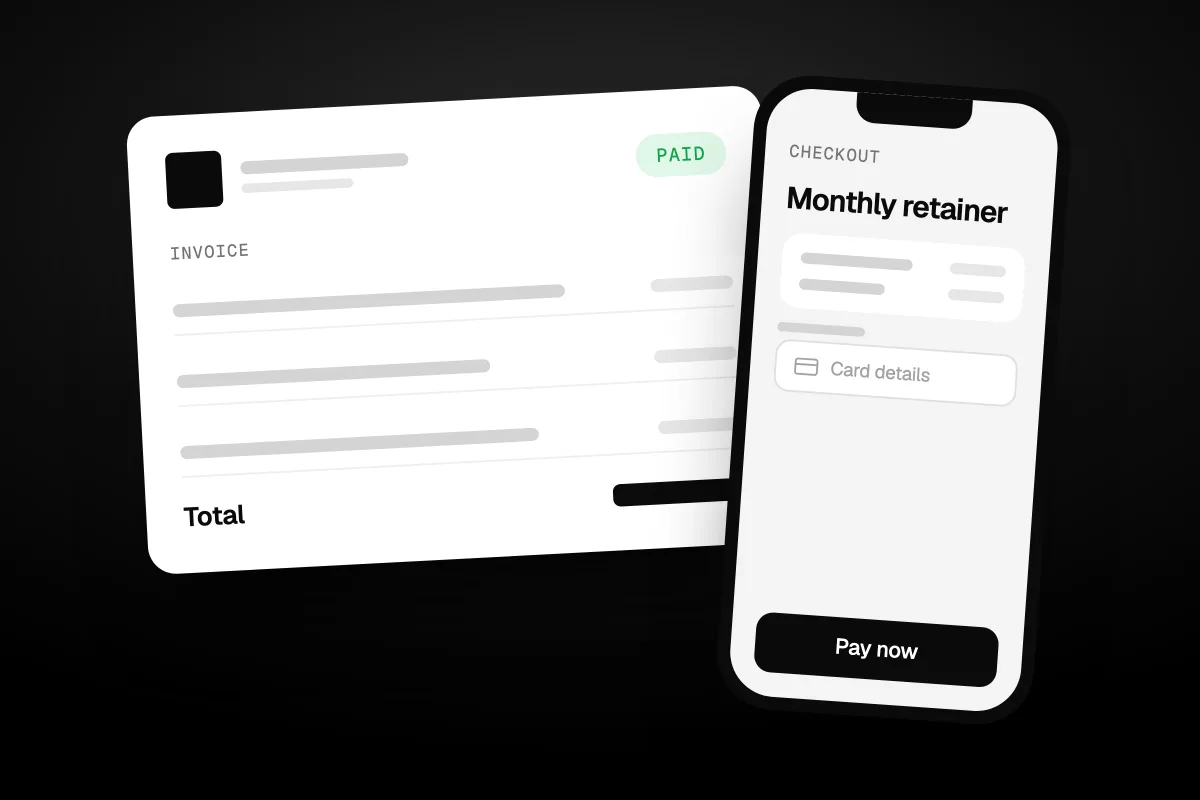
A marketing retainer is an ongoing agreement where you pay an agency a set fee each month for an agreed amount of marketing work. Instead of paying per project, you keep the agency on hand month after month. It is the most common way agencies and clients work together. This guide explains what a marketing retainer is, what it should include, how agencies price them, the pros and cons, and how a flat marketing subscription compares.
The short answer
A marketing retainer is a recurring deal. You pay a fixed monthly fee, the agency delivers an agreed scope of work, and the relationship continues until one side ends it. It gives you a steady team and predictable output. The trade-off is a defined scope and, usually, a minimum commitment of several months.
What is a marketing retainer, exactly?
A marketing retainer is an agreement to keep an agency or specialist working for you on an ongoing basis for a regular fee. The word retainer means you are retaining their services. You are reserving their time and skill each month, whether that is for ads, SEO, content, email, or a mix.
It is different from a one-off project. A project has a start, an end, and a fixed deliverable, like a new website. A retainer has no built-in finish line. It rolls month to month, covering the steady work that never really stops, such as running campaigns, publishing content, and reporting on results.
The fee is agreed up front and tied to a scope. That scope might be a number of hours, a set list of deliverables, or a defined set of channels the agency manages. Both sides know roughly what is coming each month, which is the whole appeal. The client gets reliability. The agency gets predictable income and can plan its team around it.
What should a marketing retainer include?
A good marketing retainer should spell out exactly what you get each month, so there are no arguments later. Vague retainers are where relationships go wrong. The agreement should put the scope, the hours or deliverables, the reporting, and the limits in writing.
At a minimum, a solid retainer covers these points.
- Scope of work. The channels and tasks the agency handles. Ads, SEO, email, social, web, or a named combination.
- Deliverables or hours. What actually gets produced each month, or how many hours are set aside, so you know what you are paying for.
- Reporting. How often you get results, in what format, and which numbers they track.
- Point of contact. Who you speak to, how fast they reply, and how requests are made.
- Term and notice. How long the commitment runs and how much notice either side gives to end it.
- What sits outside. The extras that are billed separately, such as ad spend, print, or big one-off builds.
The clearer this is, the better the relationship runs. If a retainer just says "marketing support, $X a month" with no detail, you are trusting goodwill. That works until it does not. Ask for the specifics before you sign, and make sure the scope matches the result you actually want.
The best retainers read like a job description, not a vague promise. If you cannot tell what lands on your desk each month, the scope is too loose.
How do agencies price marketing retainers?
Agencies price retainers in a few ways, and it helps to know which one you are being quoted. The three common models are retainer, hourly, and project. Each suits a different kind of work, and many agencies mix them. Here is how they compare.
| Pricing model | How it works | Best for |
|---|---|---|
| Monthly retainer | Fixed fee each month for an agreed scope or set hours | Ongoing work across channels that never stops |
| Hourly | You pay for time logged, billed per hour or in blocks | Small, irregular tasks or advice with no fixed scope |
| Project | One fee for one defined deliverable with a clear end | A website, a launch, a rebrand, a single campaign |
The Monthly retainer is the default for steady marketing because the work is continuous. Ads need managing every week. Content needs publishing. Nobody wants to renegotiate a project fee every time. A retainer smooths all of that into one predictable bill.
Hourly pricing feels fair but hides a trap. You end up watching the clock, and so does the agency. Every question becomes a billable event, which kills the open back and forth good marketing needs. Project pricing is cleaner for one-off builds, but it does not fit work that never finishes.
What a retainer costs depends on scope, seniority, and the market. A narrow, single-channel retainer sits at the low end. A full-service retainer with a senior team and several channels sits much higher. The price is really a reflection of how much skilled time you are reserving each month.
What are the pros and cons of a marketing retainer?
The main pro of a marketing retainer is consistency, and the main con is rigidity. You trade flexibility for reliability. Whether that is a good deal depends on how steady and varied your marketing needs are. Let us be fair about both sides.
The upsides are real. You get a dedicated team that learns your business over time, instead of strangers starting from scratch each project. Your costs are predictable, which makes budgeting easy. And the work compounds, because the agency builds on what it did last month rather than restarting.
The downsides are just as real. Scope creep runs one way. You often feel you are asking for more than the fee covers, while the agency feels you keep pushing past scope. A fixed scope can also leave you paying in a slow month for work you did not need. And many retainers lock you in for three, six, or twelve months, so a bad fit is expensive to escape.
A retainer rewards a steady, varied workload. If your needs swing wildly month to month, a rigid scope can leave you overpaying in quiet months and underserved in busy ones.
There is also the hidden cost of management. A retainer still needs you to brief, review, and chase. If nobody on your side owns the relationship, even a good agency drifts. That is not a reason to avoid retainers. It is a reason to go in with clear eyes.
When is a marketing retainer the right choice?
A marketing retainer is the right choice when you have steady, ongoing work in one or two channels and you want a specialist team that knows those channels deeply. If your need is consistent and focused, a retainer gives you expertise and continuity that one-off projects cannot.
It fits well if you already know what you need. Say you want expert Google Ads management, month after month, and not much else. A focused retainer with a specialist agency is ideal. They go deep, they own the channel, and they get better at it over time because they live in your account.
It also fits larger businesses with their own marketing lead. When you have someone in-house to brief the agency, review the work, and hold them to the scope, a retainer runs smoothly. The agency becomes an extension of a team that already has direction.
Where it fits less well is the small business that needs a bit of everything and has nobody to manage it. Ads one month, a landing page the next, email after that. A single-channel retainer leaves gaps, and juggling several retainers gets expensive and messy fast. That is the gap the subscription model was built to fill.
How does a marketing retainer compare to a marketing subscription?
A marketing retainer and a marketing subscription both charge a flat monthly fee, but they handle scope very differently. A retainer fixes the scope and the price. A subscription fixes the price and flexes the scope, letting you send whatever work you need that month.
With a retainer, you agree up front that the agency will, for example, run your ads and publish four posts a month. Step outside that and you are into extra fees or a new scope talk. With a subscription, you add requests to a queue, a landing page one week, an email sequence the next, and the team works through them in order for the same fee.
That flexibility is the main difference, and it is why the subscription suits a small business that needs a bit of everything. There is usually no long lock-in either, so you can pause when your queue is empty. The trade-off is that work is done one request at a time, rather than a big team hitting everything at once.
Neither is better in the abstract. A retainer wins when your need is deep and narrow. A subscription wins when your need is broad and changing. We put the two side by side in full in our guide to a marketing agency retainer versus a subscription, and if you are also weighing a senior strategist, see fractional CMO versus agency versus subscription.
Is a retainer cheaper than hiring in-house?
For most small businesses, yes, a retainer or subscription is far cheaper than building an in-house team. The reason is salaries. Marketing people are not cheap, and you need several skill sets to cover ads, web, content, and design properly.
According to the US Bureau of Labor Statistics, the median pay for advertising, promotions, and marketing managers was $165,780 a year, or $79.70 an hour, in its May 2025 data. That is one senior hire, before benefits, tax, software, and the cost of managing them. Add specialists under that manager and the real bill climbs fast.
A retainer gives you a slice of a team's time for a fraction of one salary. You skip payroll, hiring, holiday cover, and the risk of a bad hire. You also get people who do this all day across many accounts, so they stay sharp on what works. For a business not big enough to keep a full marketing team busy, that maths usually favours the retainer or subscription.
FAQ
What does a marketing retainer typically cost?
It depends on scope, seniority, and your market. A narrow, single-channel retainer sits at the low end, while a full-service retainer with a senior team costs much more. The fee reflects how much skilled time you are reserving each month, so always tie the price to a clear scope.
What is the difference between a retainer and a project fee?
A project fee pays for one defined deliverable with a clear end, like a new website. A retainer is ongoing, paying a monthly fee for continuous work with no fixed finish line. Use a project for one-off builds and a retainer for work that never really stops.
How long is a typical marketing retainer?
Many retainers run for a minimum of three, six, or twelve months, because marketing takes time to show results and agencies want to plan their teams. Always check the term and the notice period before signing, so a poor fit does not trap you in a long commitment.
What is scope creep in a retainer?
Scope creep is when the work you ask for drifts beyond what the fee covers. You feel you are getting less than you pay for, and the agency feels you keep pushing past the agreement. A clear, written scope with defined deliverables is the best way to prevent it.
Can I pause or cancel a marketing retainer?
It depends on the contract. Many retainers have a minimum term and require notice to end, so you cannot stop instantly. Subscription models are usually more flexible, often with no lock-in, letting you pause when your queue is empty. Check the terms before you commit either way.
Is a retainer or a subscription better for a small business?
A subscription often suits a small business better, because it covers a bit of everything for one flat fee with no lock-in. A retainer is better when your need is deep and narrow, like ongoing ads management, and you have someone in-house to manage the agency.
Does a retainer include ad spend?
Usually not. The retainer fee pays the agency for their work. Ad spend goes straight to the platforms, like Google or Meta, and is billed separately on top. Always confirm what sits inside the fee and what is extra, so your real monthly cost is clear.
Knowing what is a marketing retainer, and how it differs from hourly, project, and subscription pricing, puts you in a strong position to choose the model that actually fits your business. If your needs are broad and change month to month, a flat subscription may serve you better than a fixed retainer, which is why we built Havstock Unlimited around one flat monthly fee with no lock-in. Start with our guide to what a marketing subscription is to see whether the model fits the way you work.